Research, Ethics and Storytelling
Designing with Purpose: How Research, Ethics, and Storytelling Shape Meaningful Design
- Type
- writing
- Year
- File
- research-ethics-storytelling_1.jpg
Design is more than just aesthetics; it’s about creating solutions that resonate with people, address real-world problems, and contribute to a better future. To achieve this, designers must embrace a holistic approach that integrates rigorous research, ethical considerations, and the power of storytelling. This article explores how these seemingly disparate elements can converge to shape meaningful and impactful design outcomes.
Laying the Groundwork: Research as the Foundation for Design
Just as journalists rely on thorough research to uncover the truth, designers need to immerse themselves in understanding the problem space. This involves:
- Identifying Design Opportunities: Staying attuned to societal needs, emerging trends, and unmet user needs.
- Evaluating Sources: Critically assessing the validity and relevance of information from various sources, including user data, market research, and expert opinions.
- Going to the Source: Engaging directly with users through interviews, observations, and participatory design methods to gain firsthand insights.
- Background Research: Delving into the historical, cultural, and technological context surrounding the design challenge.
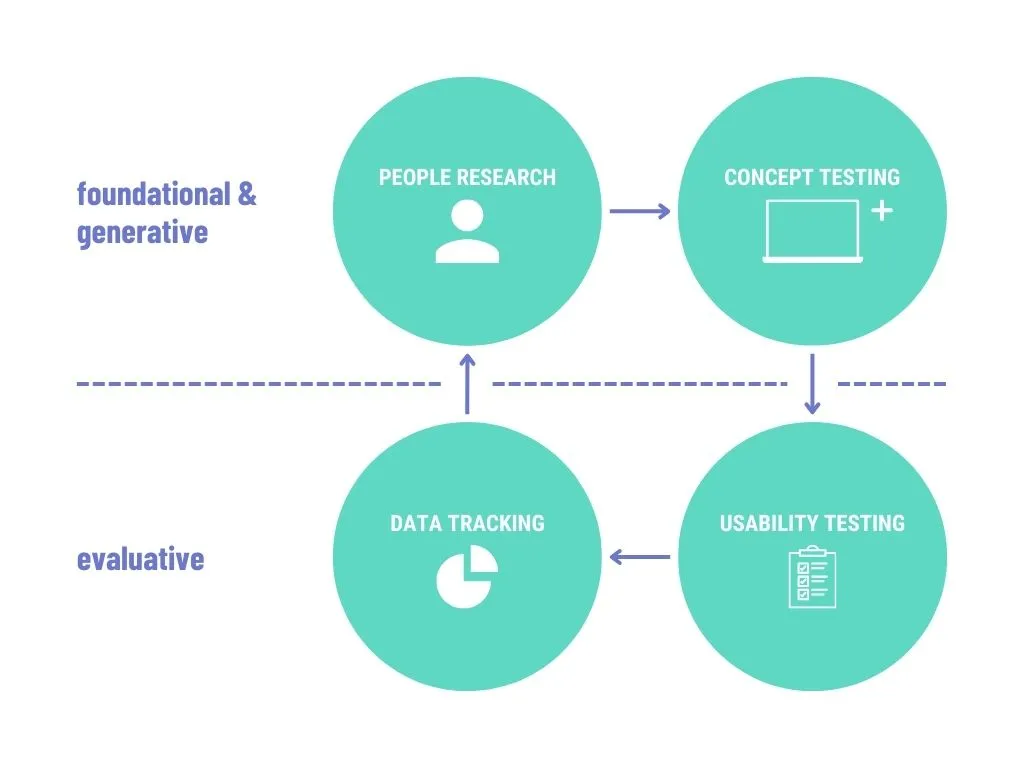
By adopting a journalist’s mindset of inquiry and investigation, designers can ensure their solutions are grounded in reality and address genuine needs.
The Ethical Imperative: Designing with Responsibility
Ethics are paramount in design, guiding decisions that impact users, communities, and the environment. Key ethical considerations include:
- Seeking Truth and Transparency: Ensuring that designs are honest, accurate, and transparent in their functionality and communication.
- Ensuring Safety and Dignity: Prioritizing user safety, privacy, and well-being, and avoiding designs that could cause harm or perpetuate discrimination.
- Avoiding Conflicts of Interest: Being mindful of potential biases and conflicts of interest that could compromise the integrity of the design.
- Promoting Accessibility and Inclusivity: Designing for diverse users, including those with disabilities, and ensuring equitable access to the benefits of the design.
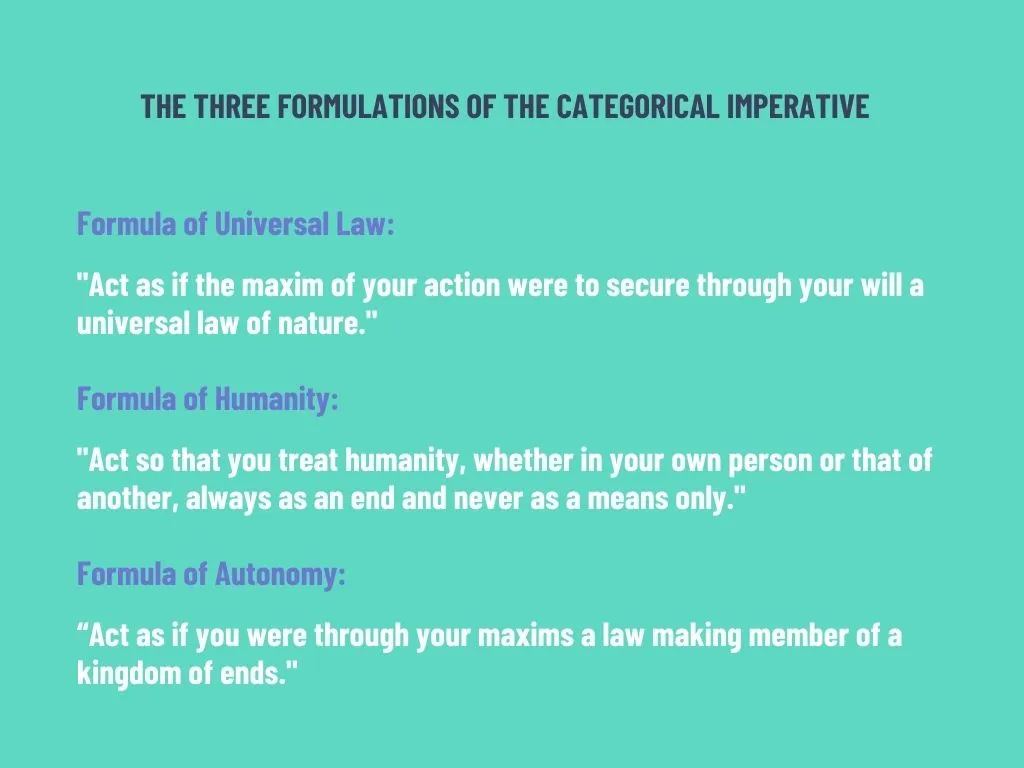
By embracing ethical principles, designers can create solutions that are not only innovative but also responsible and beneficial to society.
The Power of Narrative: Storytelling in Design
Storytelling is a powerful tool for connecting with users on an emotional level and conveying the value and impact of a design. This involves:
- Identifying the Core Narrative: Understanding the user’s journey, their motivations, and the challenges they face.
- Creating Compelling Characters: Giving a human face to the design problem and highlighting the impact on real people.
- Defining the Theme: Weaving a central idea throughout the design to create a cohesive and memorable experience.
- Structuring the Narrative: Crafting a clear and engaging narrative arc that draws users in and leaves them with a sense of completion.
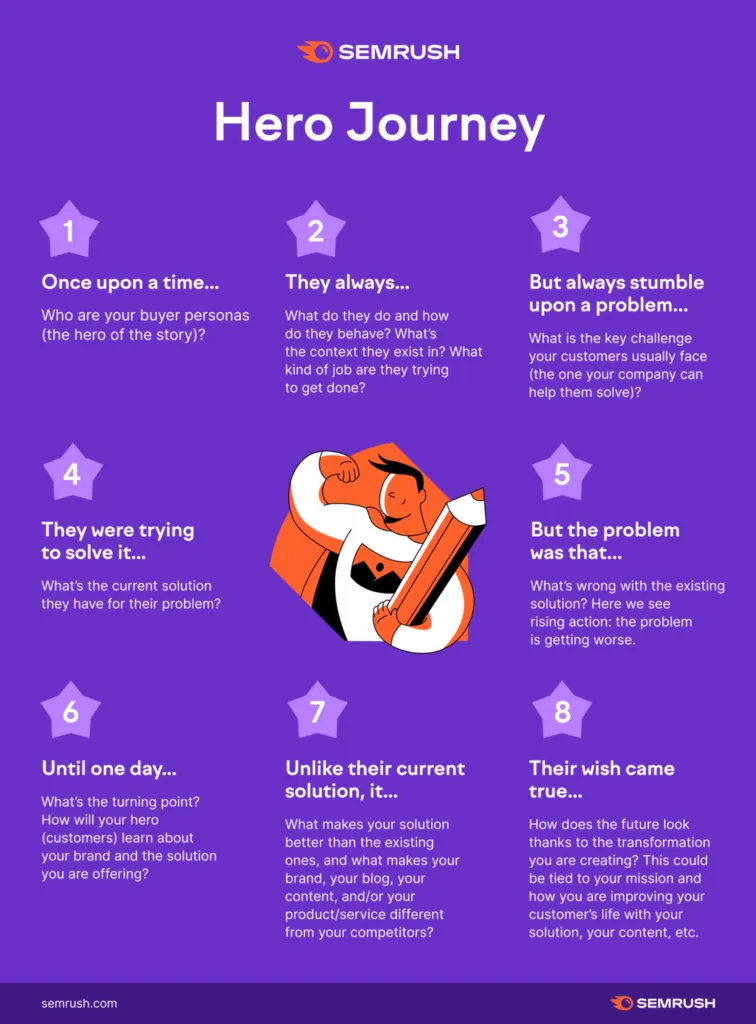
By incorporating storytelling techniques, designers can create more engaging and impactful solutions that resonate with users and inspire action. Grab the Semrush Brand Storytelling Template(it’s free!).
Knowing Your Audience: Designing for Specific Needs
Effective design requires a deep understanding of the target audience. This involves considering:
- Demographics: Age, gender, ethnicity, education, and other relevant characteristics.
- Psychographics: Values, attitudes, interests, and lifestyles.
- Context: The environment in which the design will be used and the specific needs of the users.
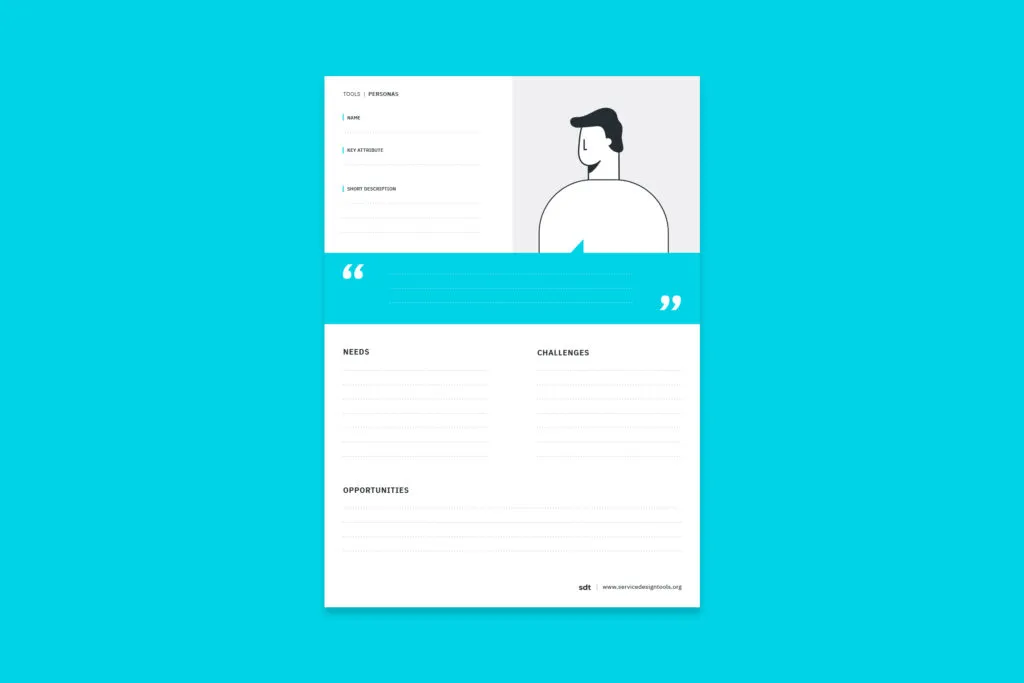
By tailoring the design to the specific needs and preferences of the target audience, designers can create solutions that are more relevant, effective, and enjoyable to use. Visit servicedesigntools.org and download a free persona template.
The Designer’s Toolkit: Essential Skills and Techniques
In addition to research, ethics, and storytelling, designers need a range of practical skills, including:
- Ideation: Generating creative solutions through brainstorming, sketching, and other ideation techniques.
- Prototyping: Creating tangible representations of design ideas, ranging from low-fidelity sketches to high-fidelity interactive prototypes.
- Testing: Gathering feedback from users and iterating on the design based on their input.
- Communication: Effectively communicating design decisions and rationale to stakeholders.
Download THE FIELD GUIDE TO HUMAN-CENTERED DESIGN. A step-by-step guide that will get you solving problems like a designer.
Designing with Purpose: A Call to Action
Design has the power to shape our world, and with that power comes responsibility. By embracing research, upholding ethical standards, and mastering the art of storytelling, designers can create solutions that are not only innovative and aesthetically pleasing but also meaningful, impactful, and beneficial to society. Head over to strategyzer and download The Value Proposition Canvas for free.

Key Takeaways
- Thorough research is the foundation of effective design.
- Ethical principles guide designers in creating responsible and beneficial solutions.
- Storytelling connects with users on an emotional level and conveys the value of design.
- Knowing your audience allows you to tailor your designs for maximum impact.
- Design has the power to shape our world for the better.
This article serves as a call to action for designers to embrace a holistic approach that integrates research, ethics, and storytelling to create meaningful and impactful solutions that address real-world problems and improve people’s lives.