Public Relations
Public Relations: A Beginner's Guide to Building Relationships and Shaping Perceptions
- Type
- writing
- Year
- File
- propaganda-bernays_1.jpg
Public relations (PR) is a field that’s often talked about but not always fully understood. Is it just about getting good press? Is it all spin and manipulation? The truth is, PR is a multifaceted discipline that plays a vital role in shaping how organizations connect with the world. This article provides a comprehensive overview of PR, exploring its core functions, key players, and strategic importance.
What is Public Relations? Beyond the Spin
At its heart, public relations is the strategic management of communication between an organization and its publics. It’s about building and maintaining mutually beneficial relationships based on trust, transparency, and shared understanding.
The Public Relations Society of America (PRSA) defines PR as “the management of communication between an organization and its publics.” This definition highlights the key elements of the field:
- Management: PR is a strategic function that requires planning, organization, and leadership.
- Communication: It involves both sending and receiving messages, fostering dialogue and understanding.
- Organization: PR applies to any group with a common purpose, from businesses to non-profits to government agencies.
- Publics: These are the groups of people who are affected by or can affect the organization, including employees, customers, shareholders, communities, and the media.
The Evolution of PR: From Press Agentry to Strategic Communication
PR has evolved significantly over time. In its early days, it was often associated with press agentry, focused on generating publicity with little regard for truth or ethics. However, modern PR has transformed into a strategic management function that relies on research, planning, and ethical decision-making.
Image Suggestion: A timeline illustrating the evolution of PR, highlighting key milestones and influential figures.
Key historical models of PR include:
- Press Agentry: One-way communication focused on publicity and attention.
- Public Information: One-way communication providing factual information.
- Two-Way Asymmetrical: Research-based communication aimed at persuading publics to support the organization’s interests.
- Two-Way Symmetrical: Research-based communication focused on building mutual understanding and collaboration.
Today, most PR professionals utilize a mixed-motive approach, combining elements of different models to achieve their goals while upholding ethical standards.
The Many Faces of PR: Exploring Different Roles and Functions
The PR field is diverse, encompassing a wide range of roles and functions. These can be broadly categorized as:
- Corporate PR: In-house PR departments within organizations, responsible for managing communication with various stakeholders.
- Agency PR: External consulting firms hired to provide specialized expertise and support for specific campaigns or goals.
- Government Relations and Public Affairs: Managing relationships with governmental officials, regulatory agencies, and the legislative process.
- Nonprofit, NGO, and Activist PR: Promoting the missions and causes of non-profit organizations, NGOs, and activist groups.
Within these broad categories, there are numerous sub-functions, including:
- Media Relations: Building relationships with journalists and securing positive media coverage.
- Issues Management: Identifying and addressing potential problems or crises that could impact the organization.
- Internal Relations: Communicating with employees to foster morale, engagement, and a shared understanding of the organization’s goals.
- Investor Relations: Communicating with shareholders and financial analysts to maintain investor confidence.
- Community Relations: Building positive relationships with local communities and supporting community initiatives.
The Strategic Importance of PR: A Seat at the Table
Effective PR is not just about tactics; it’s about strategy. PR professionals should be involved in the strategic decision-making process, providing insights into stakeholder perspectives and helping to shape organizational policy.
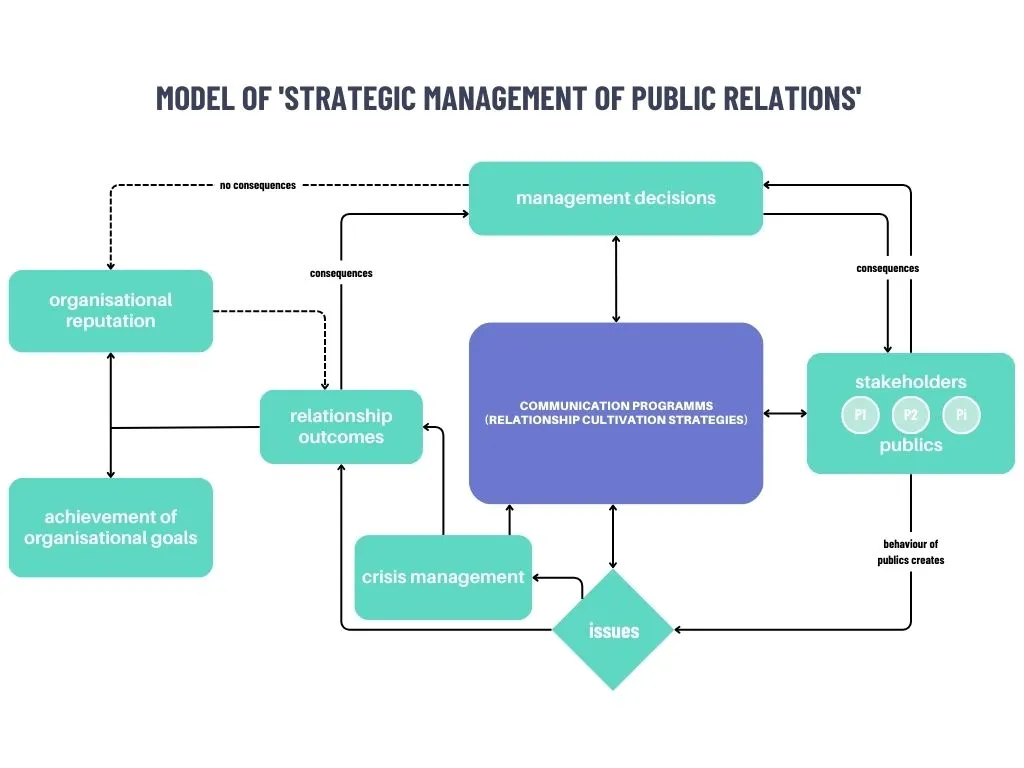
To be effective, PR professionals need:
- A Deep Understanding of the Business: Knowledge of the organization’s goals, values, and operations.
- Strong Research Skills: The ability to gather and analyze data to inform strategy and measure results.
- Ethical Decision-Making Abilities: The capacity to navigate complex ethical dilemmas and provide sound counsel.
- Excellent Communication Skills: The ability to craft clear, concise, and persuasive messages that resonate with target audiences.
The PR Strategist’s Toolkit: Mastering the 5W1H Method for Effective Campaigns
Public relations is a dynamic field that demands more than just good communication skills. It requires a strategic mindset, a deep understanding of your audience, and a clear plan of action. To navigate the complexities of PR and ensure your campaigns hit the mark, the 5W1H method offers a powerful and practical framework.
Unlocking Strategic PR: The 5W1H Framework
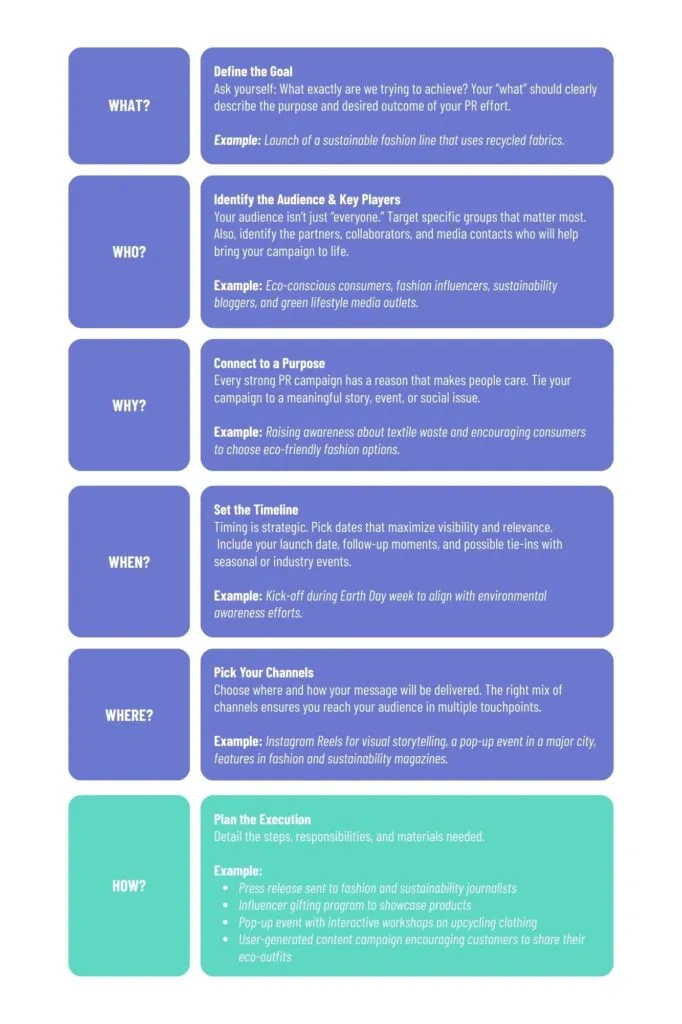
The 5W1H method is a simple yet effective way to structure your PR strategy, ensuring you’ve considered all the essential elements. It prompts you to answer six key questions:
What – Define the Goal: What are you trying to achieve? This is your overarching objective.
- Example: Increase brand awareness for a new product launch.
Who – Identify the Audience & Key Players: Who are you trying to reach? Who can help you achieve your goal?
- Example: Target customers, industry influencers, media outlets, and internal stakeholders.
Why – Connect to a Purpose: Why should people care? What’s the compelling story or social issue that will resonate with your audience?
- Example: Highlight the product’s innovative features or its positive impact on the environment.
When – Set the Timeline: When will you launch your campaign and what are the key milestones?
- Example: Coordinate the launch with a relevant industry event or a seasonal trend.
Where – Pick Your Channels: Where will you communicate your message?
- Example: Social media, press releases, industry publications, and targeted advertising.
How – Plan the Execution: How will you implement your strategy? What specific tactics will you use?
- Example: Craft a compelling press release and distribute it to relevant media outlets.
- Engage with influencers on social media to generate buzz.
- Host a launch event to showcase the product and connect with key stakeholders.
By systematically addressing these questions, you can create a PR strategy that is:
- Purposeful: Aligned with your organization’s overall goals.
- Targeted: Focused on reaching the right audience with the right message.
- Strategic: Designed to achieve specific and measurable outcomes.
- Actionable: Providing a clear roadmap for implementation.
The 5W1H method is a valuable tool for any PR professional, regardless of experience level. It provides a structured approach to planning and executing effective PR campaigns that build relationships, shape perceptions, and drive organizational success.
Key Takeaways
- Public relations is the strategic management of communication between an organization and its publics.
- Modern PR relies on research, planning, and ethical decision-making.
- The PR field encompasses a wide range of roles and functions, from corporate communication to government relations.
- Effective PR professionals are strategic advisors, relationship builders, and ethical compasses.
- PR plays a vital role in shaping organizational policy and building trust with stakeholders.
This article provides a foundational understanding of public relations, highlighting its importance in today’s complex and interconnected world. By embracing these principles, aspiring and practicing PR professionals can build successful careers and contribute to a more informed, engaged, and responsible society.