Design Thinking
Unleashing Your Inner Designer: A Journey Through Design Thinking
- Type
- writing
- Year
- File
- design-thinking.jpg
Design Thinking isn’t just a buzzword; it’s a powerful framework for approaching problems creatively and developing innovative solutions. This article synthesizes key concepts from a comprehensive Design Thinking course, offering actionable insights and a practical guide to understanding and applying this transformative approach.
Beyond the Studio: Design Thinking for Everyone
Traditionally, design knowledge was confined to design schools, emphasizing studio-based learning, iterative processes, and tacit knowledge – the “knowing by doing” that’s difficult to articulate explicitly. However, Design Thinking has democratized this approach, making it accessible to professionals from all fields.
As the Stanford d.school recognized, “designerly” thinking can empower individuals in marketing, management, engineering, and beyond, fostering creativity and enhancing problem-solving skills.
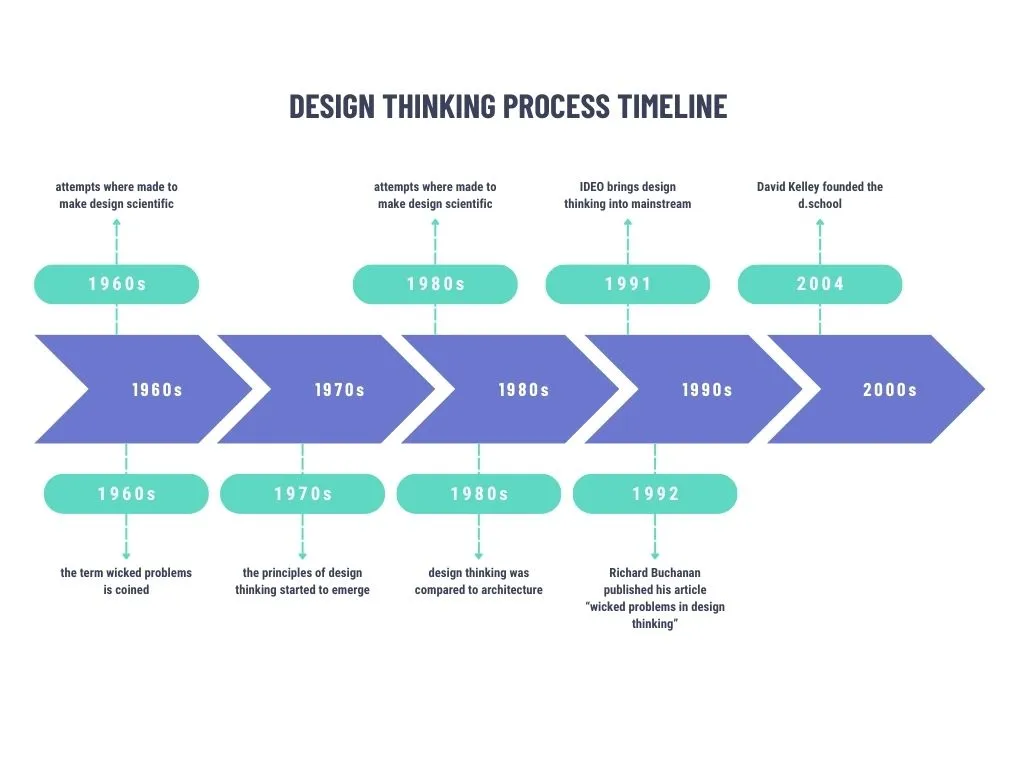
A Historical Perspective: From Form to Systems
The formal study of design thinking has roots in seminal works by thinkers like Cristopher Alexander and Herbert Simon. However, the popularization of Design Thinking in the 1990s and early 2000s, spearheaded by Stanford d’school and IDEO, marked a turning point.
More recently, a new emphasis has emerged, driven by the global environmental crisis. Concepts like circular design, systems design, and more-than-human approaches are pushing designers to consider the broader impact of their work.
What Should Designers Know Today?
The role of the designer is constantly evolving. Today, it’s not enough to simply create aesthetically pleasing objects. Designers must be:
- Socially and Environmentally Engaged: Considering the broader consequences of their actions and addressing global issues like gender equality, sustainability, and ethical business practices.
- Systems Thinkers: Recognizing that every design project is part of a larger social and environmental system.
- Multidisciplinary: Possessing deep skills in their specific discipline while also understanding different contexts and systems.
- Researchers: Equipped with strong research and inquiry skills to acquire relevant knowledge and apply it effectively.
Finding Your Focus: Identifying Problems and Opportunities
The best way to learn Design Thinking is by doing. Start by identifying a problem or opportunity in your city or community. This could be:
- A challenge faced by a specific group of people.
- An inefficient system or service.
- An opportunity to improve the liveability of the city for humans and non-humans alike.
- A way to address neglected resources or locations.
Contextualization: Mapping the System
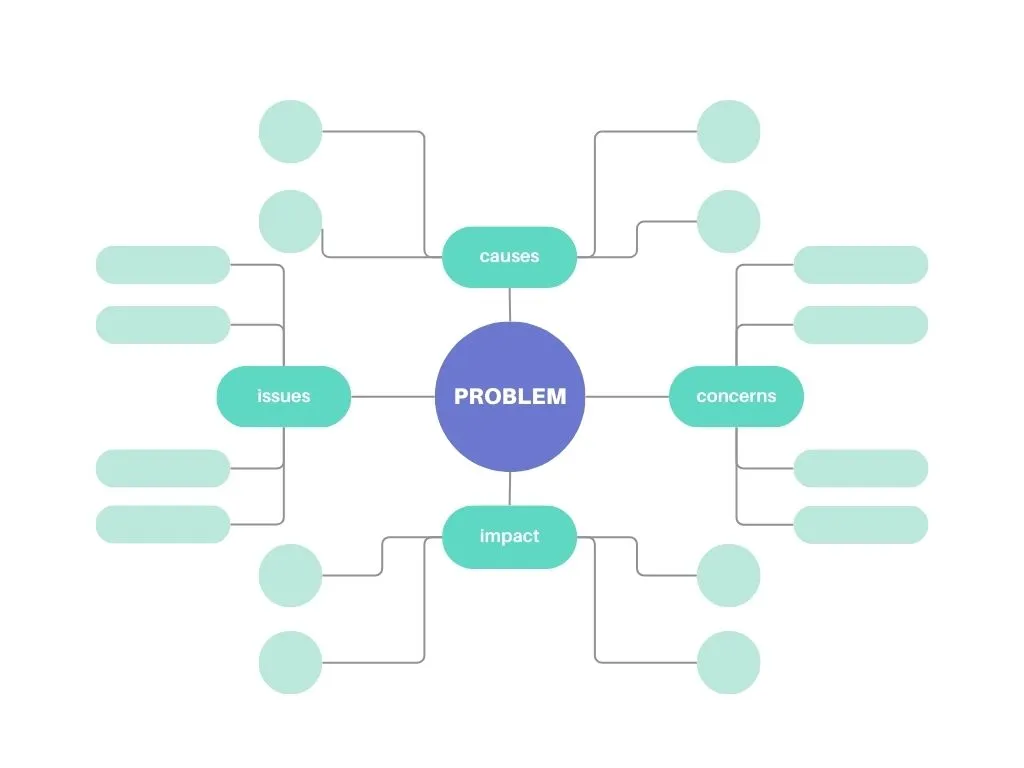
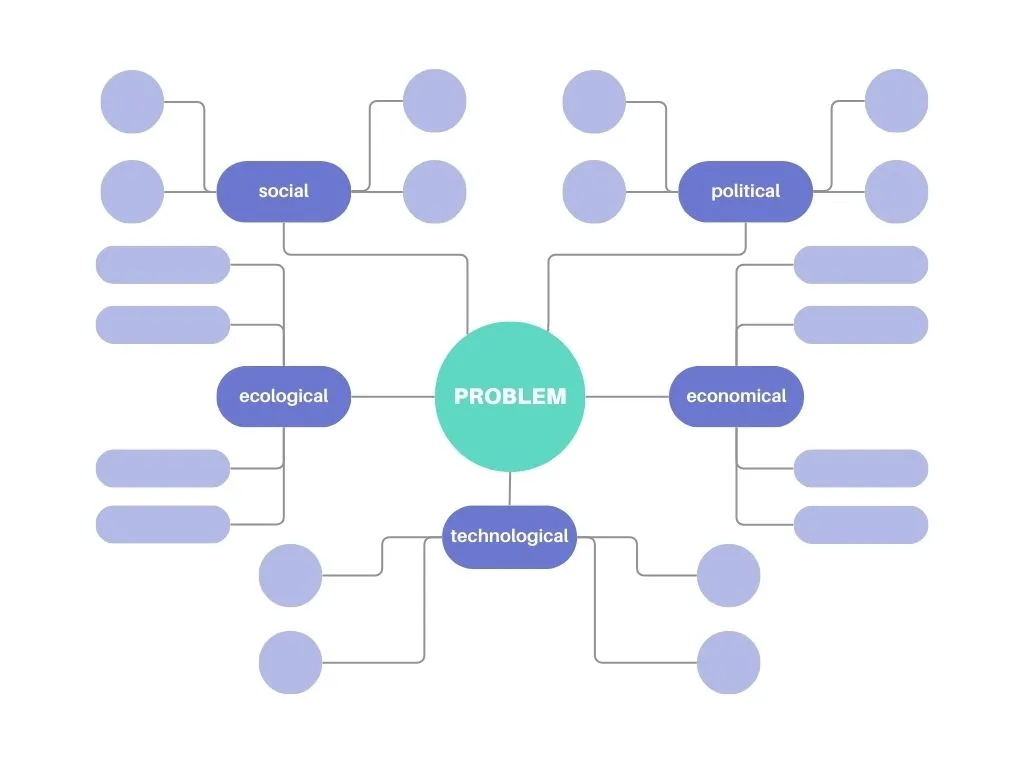
Once you’ve identified a problem, it’s crucial to understand its context. This involves mapping the systems it’s a part of. Two helpful tools for this are:
- Cluster Mapping: Placing your problem in the center and brainstorming everything related to it.
- Issues Mapping: Analyzing the problem from social, economic, technological, ecological, and political perspectives.
Stakeholder Mapping: Considering All Voices
Stakeholder mapping helps identify the individuals and groups affected by your design. However, traditional stakeholder maps often overlook non-human stakeholders like plants, animals, and ecosystems.
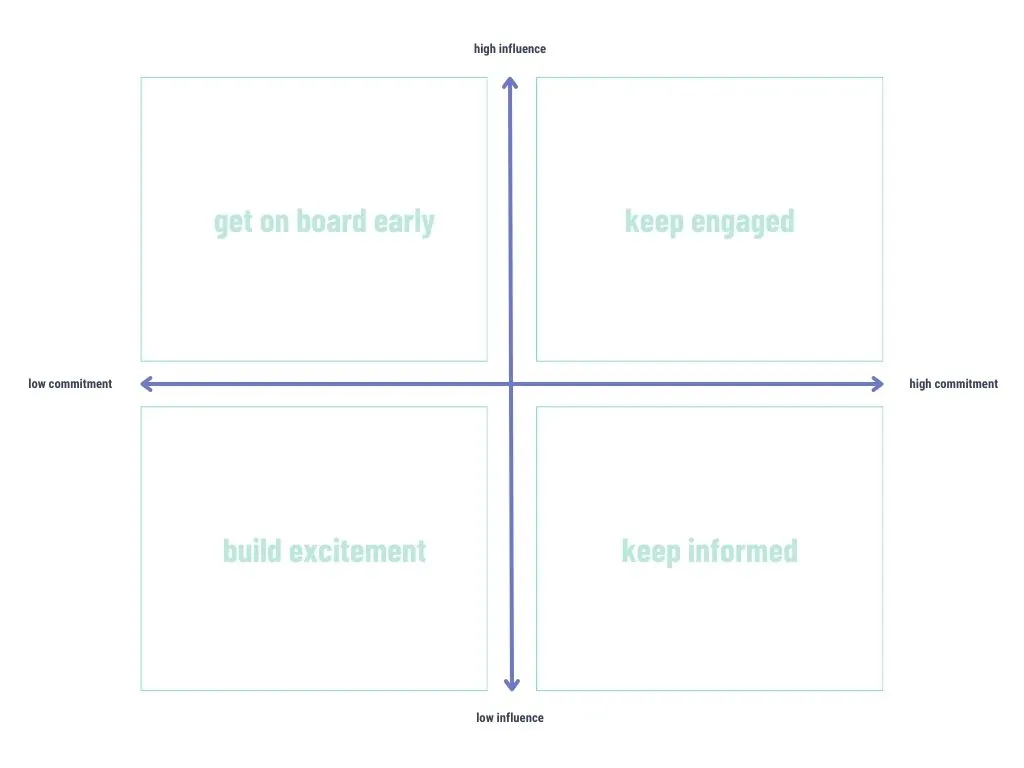
Remember, nature is one of the most important stakeholders. Considering non-humans as clients can fundamentally change how and what we design.
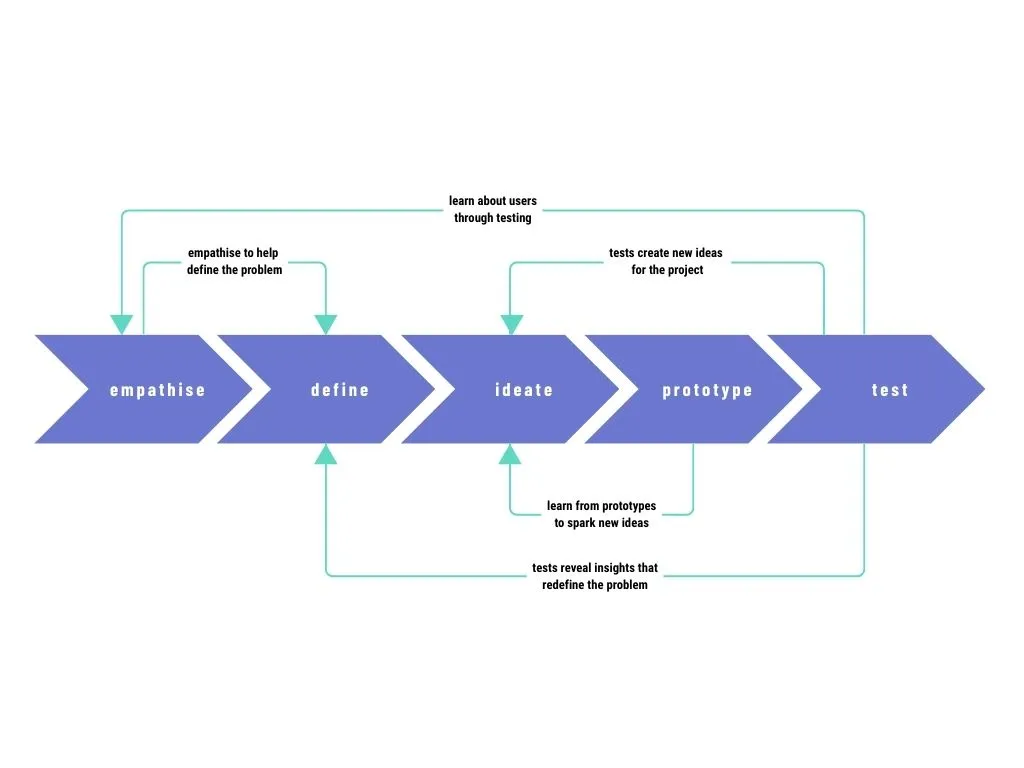
The Design Process: A Dynamic Journey
The design process is not a linear, step-by-step procedure. It’s a dynamic journey that involves:
- Research: Gathering information and insights.
- Analysis: Organizing and making sense of the data.
- Ideation: Generating creative solutions.
- Prototyping: Creating tangible representations of your ideas.
Ideation: Unleashing Creativity
Ideation is about generating as many ideas as possible. Brainstorming is a powerful tool for this, with key guidelines including:
- Deferring judgment.
- Encouraging wild ideas.
- Building on the ideas of others.
- Staying focused on the topic.
- Being visual.
- Aiming for quantity.
Refining Ideas: The “Fake Ad” Method
The “fake ad” method is a quick and easy way to prototype and refine your ideas. It involves creating a mock advertisement for your product, service, or event, focusing on the core value proposition.
Creativity and Innovation: Challenging Assumptions
True creativity often involves challenging conventional expectations and combining knowledge from seemingly disparate fields. However, it’s important to remember that people often resist new ideas, so it may be challenging to get truly innovative concepts accepted and recognized.

Validating Your Ideas: A Critical Eye
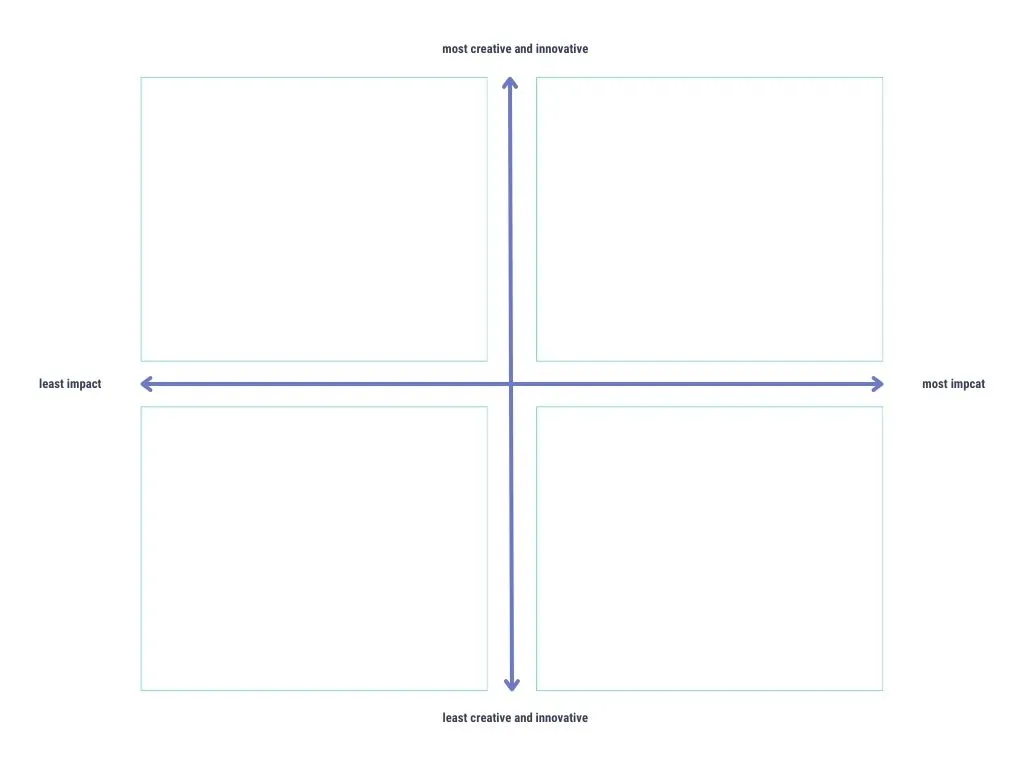
To assess the validity of your ideas, use tools like:
- 2x2 Decision Matrices: Ranking ideas based on criteria like innovation, creativity, and benefit to the community.
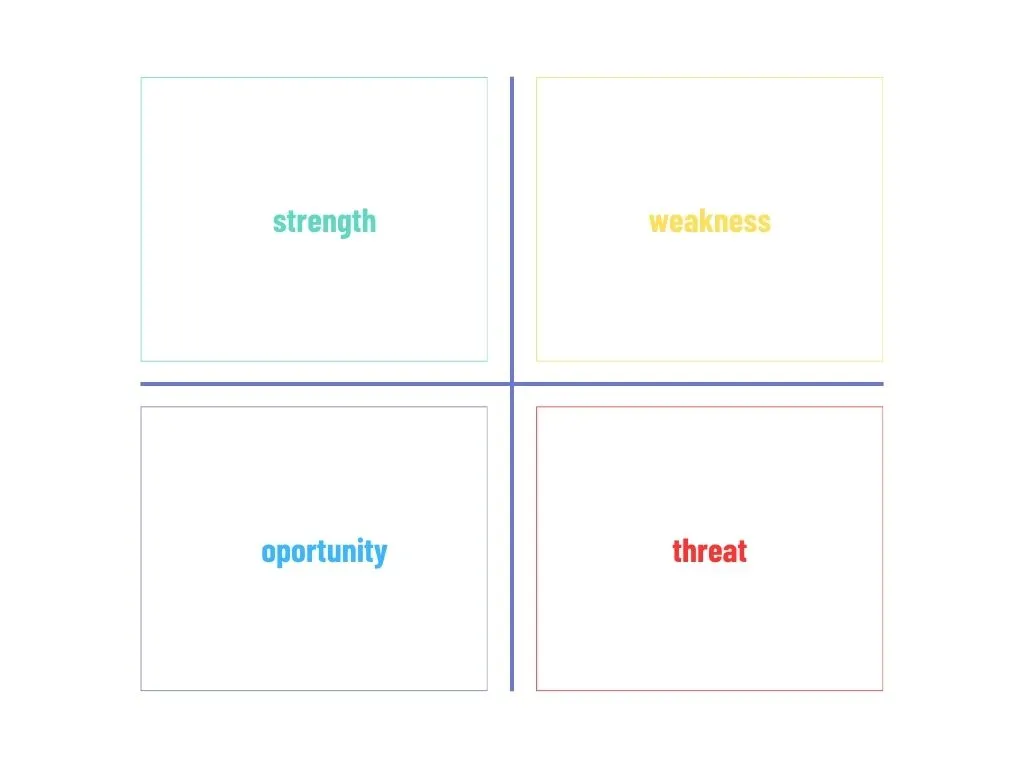
- SWOT Analysis: Identifying the strengths, weaknesses, opportunities, and threats associated with each idea.
Prototyping: Bringing Ideas to Life
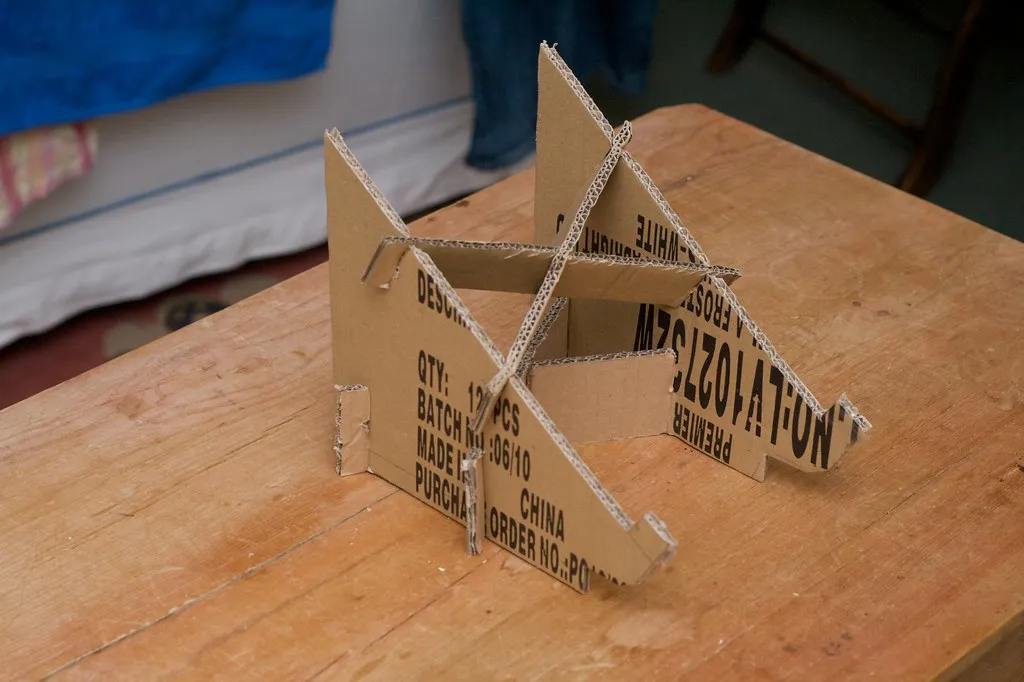
Prototyping involves creating tangible representations of your ideas. This can range from simple sketches and models to low-fidelity and high-fidelity prototypes.
Design for a Better World
Design Thinking is not just about creating products or services; it’s about creating a better world. By embracing a human-centered approach, considering the broader context, and challenging conventional thinking, designers can develop innovative solutions that address pressing social and environmental challenges.
Key Takeaways
- Design Thinking is a powerful framework for creative problem-solving.
- It emphasizes understanding the context, stakeholders, and systems involved.
- Creativity and innovation often involve challenging conventional expectations.
- Prototyping is essential for bringing ideas to life and gathering feedback.
- Design Thinking can be used to create a more sustainable and equitable world.
This article provides a roadmap for navigating the world of Design Thinking. By embracing these principles and tools, you can unlock your inner designer and create meaningful solutions that make a positive impact.