Design-Driven Innovation
Beyond the Obvious: How Design-Driven Innovation Radically Changes What Things Mean
- Type
- writing
- Year
- File
- DDI.mov
In today’s hyper-competitive market, many companies strive to differentiate themselves through incremental improvements, sleek styling, or cutting-edge technology. However, a powerful, often overlooked, third strategy exists: design-driven innovation. This approach isn’t just about making products look better or performing more efficiently; it’s fundamentally about radically innovating what things mean to people.
The “Why” Behind the Buy: Innovating Meaning
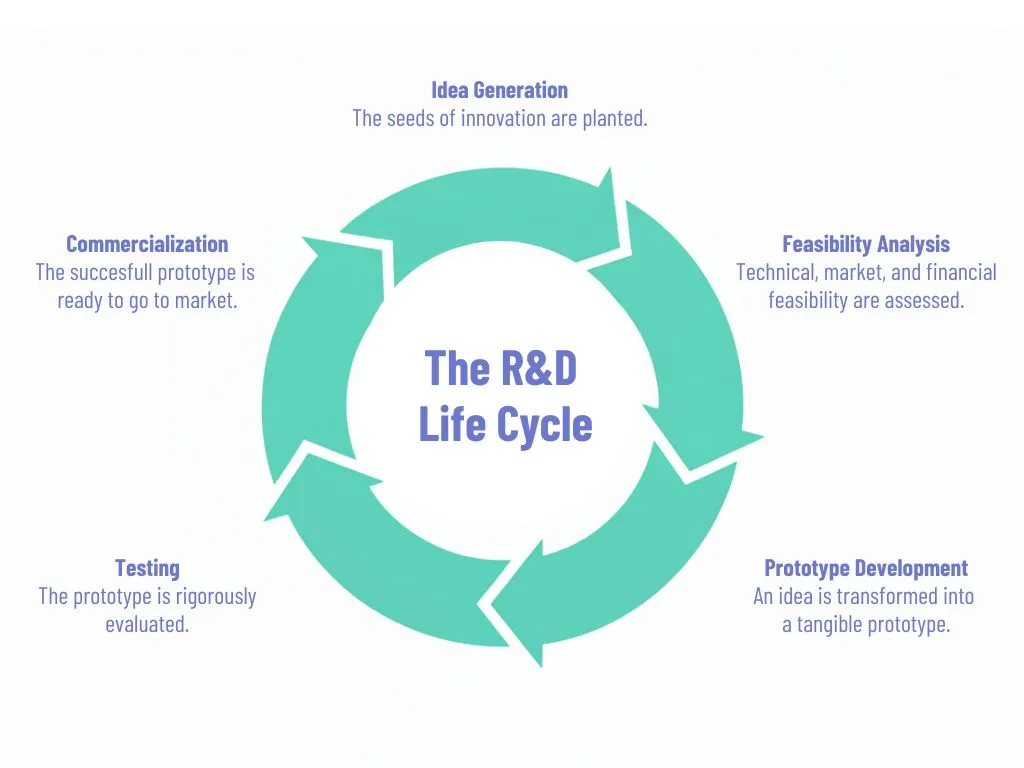
Products are more than their functions; they carry deep emotional, psychological, sociocultural, and symbolic significance. People buy and use products not only for what they do but also for what they mean. Design-driven innovation focuses on this “why,” acting as the R&D process for meanings. It offers “unsolicited proposals” – new meanings that initially might surprise, but ultimately delight, creating passionate customers.
This contrasts sharply with:
User-centered innovation (market-pull): This common approach starts by scrutinizing existing market needs and user behavior to incrementally improve products. However, it often reinforces existing meanings and sociocultural paradigms rather than challenging them, leading companies to miss disruptive opportunities. As Apple’s former marketing manager observed, their market research was “Steve looking in the mirror every morning and asking himself what he wanted”. Executives like Apple’s Steve Jobs and Artemide’s Ernesto Gismondi confirm this, stating they “make proposals to people” rather than just responding to current market needs.
Technology-push innovation: This strategy centers on technological breakthroughs that enable new product performance. While crucial, it often overlooks the deeper, quiescent meanings technologies can unlock.
Design-driven innovation is a “design-push” strategy driven by a company’s vision of new meanings, rather than solely by user demands or technological capabilities.
Iconic Examples of Meaning-Driven Transformation
Companies that have successfully employed design-driven innovation:
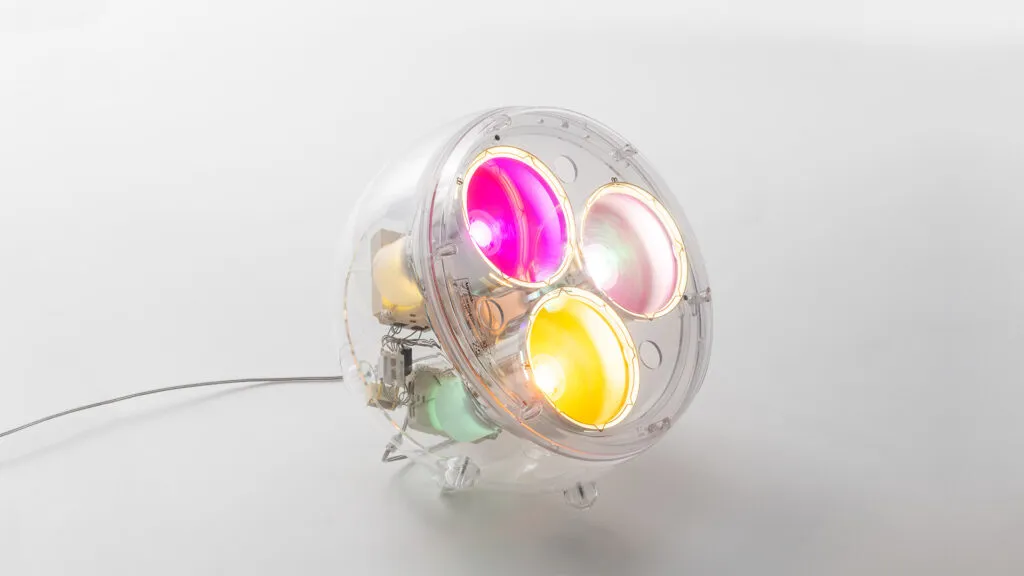
Artemide’s Metamorfosi lamp shifted the meaning of a lamp from a functional object to “light that makes you feel better,” creating personalized colorful atmospheres linked to biological, psychological, and cultural balance.
Nintendo’s Wii transformed gaming from a passive virtual immersion for niche experts into an active, physical experience for everyone in the real world. Its simple, reassuring design and motion-sensitive controllers reflected this new meaning.

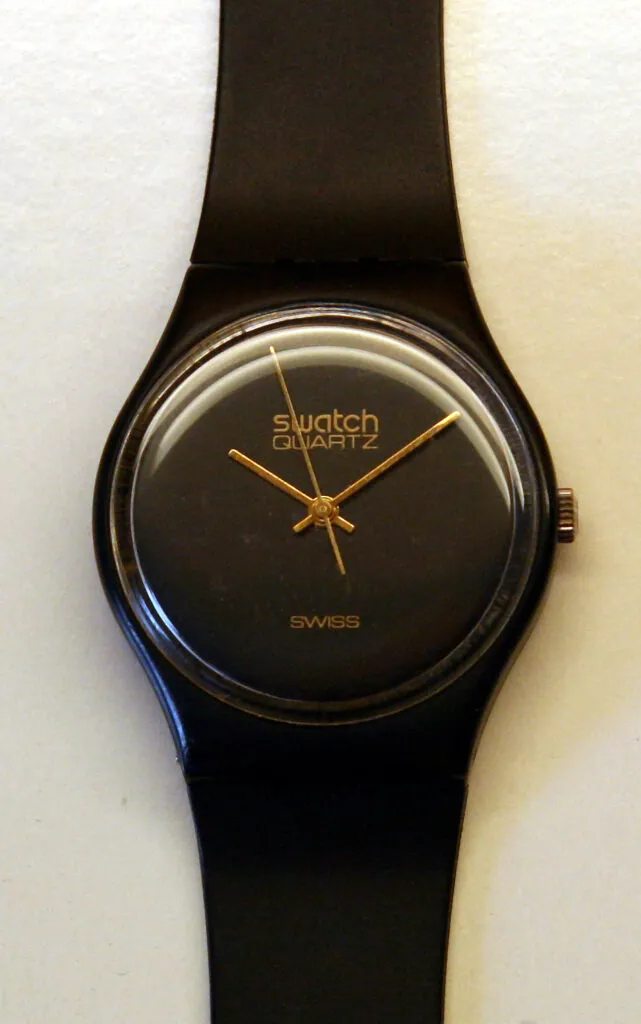
Swatch resurrected the Swiss watch industry by changing the meaning of a watch from a luxury good or precision instrument into a fashion accessory, cheap enough for impulsive purchase and part of self-image. This was a “technology epiphany” leveraging quartz movement and a radical product architecture.
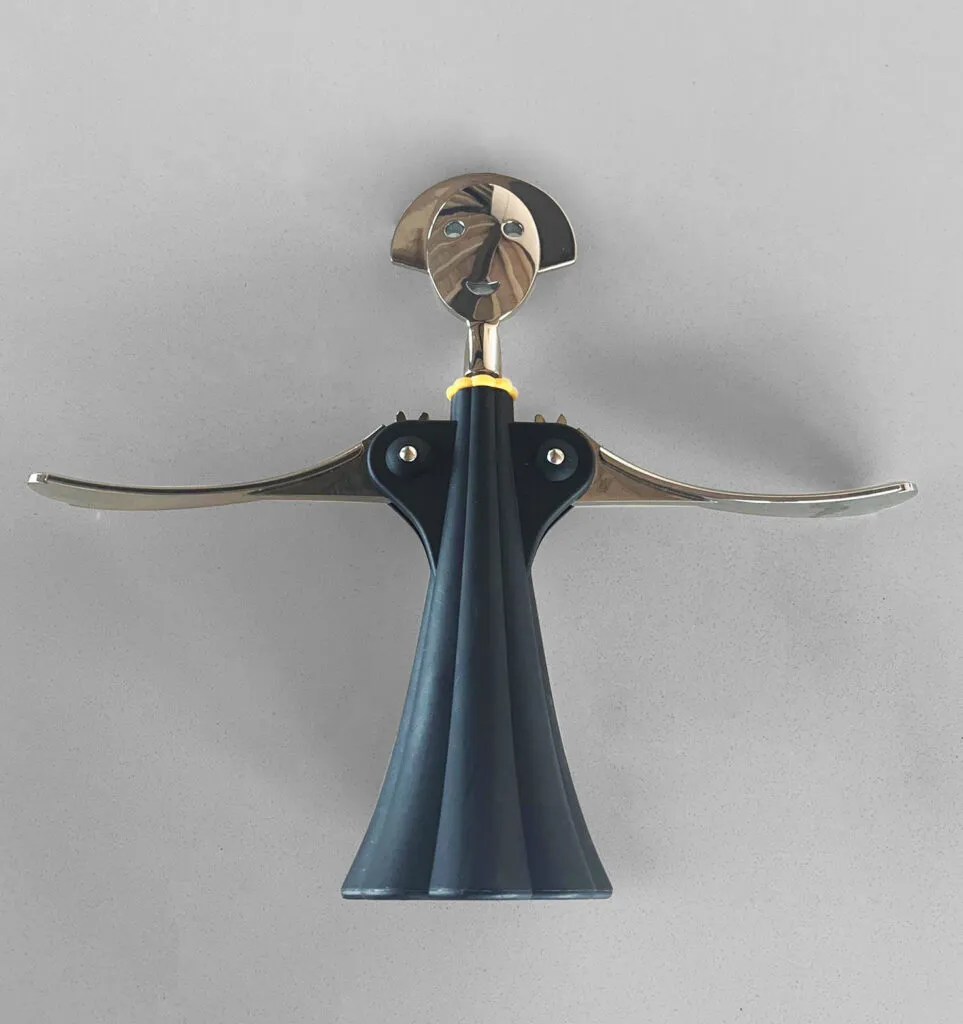
Alessi’s “Family Follows Fiction” collection (including the Anna G. Corkscrew) redefined household items as “objects of affection,” or “teddy bears for adults,” appealing to the “inner child” rather than just utilitarian needs.
Kartell’s Bookworm bookshelf broke from the traditional function of holding many books to become a “personal, unique, ingenious, and shining piece of art,” reflecting the owner’s creativity and taste, and speaking to a “cultural elite”.

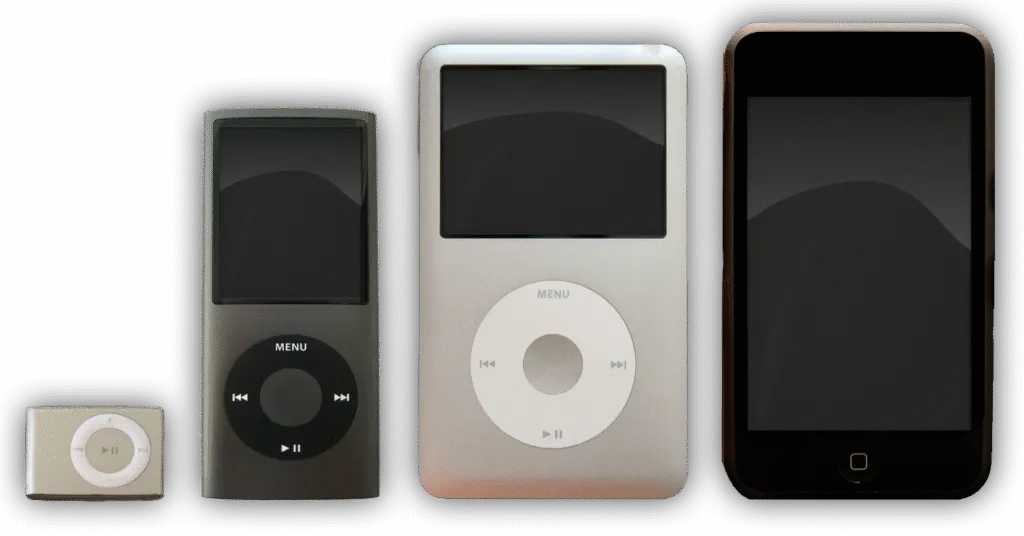
Apple’s iPod used digital audio encoding to enable people to produce, select, buy, and share their own personal music, transforming audio players from furniture sculptures into experiential systems.
These innovations did not come from the market but created huge markets, leading to long-lived products, sustainable profits, and strong brand value.
The Design Discourse: A Collective Research Lab for Meanings
Radical meaning innovation is not a spontaneous spark of creativity. It emerges from a precise process of deep research into the evolution of society, culture, and technology.
This process revolves around the “design discourse,” an informal, networked “collective research laboratory” where companies interact with diverse “interpreters”. These interpreters are various agents—firms in other industries, suppliers of new technologies, researchers, designers, artists, cultural organizations, and the media—who share an interest in understanding and influencing how people could give meaning to things in evolving life contexts.
The process involves three key actions:
1. Listening: This means gaining access to knowledge about possible new product meanings by interacting with interpreters. Successful firms identify “key interpreters”, forward-looking researchers who develop unique visions about how meanings could evolve, often found in fields competitors overlook. It emphasizes listening to multiple voices and diverse perspectives, often from unexpected sources like architects or theologians.
2. Interpreting: The goal here is for the company to develop its own unique vision and proposal for a radical new meaning. This involves assessing the knowledge gained from interpreters, combining it with proprietary insights and technologies, and conducting internal research and experiments. This is a deep investigation, not a fast brainstorming session.
3. Addressing: Since radical innovations can be unexpected and initially confusing, companies leverage the “seductive power” of interpreters to “prepare the ground” for their proposals. This involves diffusing the company’s new vision into the design discourse so that interpreters can discuss, internalize, and inevitably change the life context (through their own technologies, products, artworks), making the company’s proposal more meaningful and attractive to the broader public. This is often done through “cultural prototypes” like books, exhibitions, concept products, or special projects, which codify and diffuse the new interpretation to researchers, not end-consumers.
Building Design-Driven Capabilities and Leadership
Implementing design-driven innovation requires specific capabilities:
Relational Assets: Building a network of privileged relationships with key interpreters. These are difficult for competitors to replicate and are cultivated over time through cumulative investments and direct, often informal, interaction.
Internal Assets: A company’s own knowledge of sociocultural evolution and technologies, as well as its “seductive power” (brand strength) to influence new meanings.
Interpretation Process: The internal ability to integrate external insights with internal assets and clearly define a unique vision.
Top executives play a key and irreplaceable role in this process. They must set the strategic direction, personally immerse themselves in the design discourse, attract key interpreters, and choose the radical new meaning that will drive the company’s future. Their role is akin to an “art dealer” who identifies future talents and visions, rather than merely managing existing processes.
Some companies establish a “design-driven lab”, a small, dedicated unit responsible for championing this strategy. This lab focuses on long-term, radical endeavors, builds relational assets, nurtures the interpretation process, and addresses the design discourse. It ensures continuity, collects insights, and facilitates the transfer of knowledge across the organization.
The Uniqueness and Value of Design-Driven Innovation
Design-driven innovations often result in “business classics”, products with significantly longer life cycles than competitors, maintaining high sales and market share even as functions are imitated. This is because while functions can be copied, the authentic, radical meaning becomes attached to the original product and brand, which is very difficult to replicate. This also builds significant brand equity, creating a “halo effect” for other products.
Ultimately, design-driven innovation is not just an option; it is an inevitable part of how product meanings evolve. Companies must choose whether to master this process and lead the market by shaping new meanings or risk being overtaken by competitors who do. It requires valuing and leveraging the “personal culture” of interpreters, of people within the organization, and of the executives themselves, transforming culture into a powerful business asset.
Book Recommendations
Design Driven Innovation Changing the Rules of Competition by Radically Innovating What Things Mean
Roberto Verganti (2009)
Harvard Business Review Press
978-1-4221-2482-6 (ISBN)