Design & Communication
The Power of Design Communication: Bridging Intention and Interpretation
- Type
- writing
- Year
- File
- insta-1_7.jpg
Design and communication are often treated as separate disciplines, but in reality, they are inextricably linked. Effective design hinges on clear communication, and impactful communication is often enhanced by thoughtful design. This article explores the dynamic relationship between design and communication, offering insights into how understanding this interdependence can elevate your work and lead to more meaningful outcomes.
The Interactive Dance of Design and Communication
Both design and communication are interactive processes, constantly evolving and building upon what came before. There’s no true starting or ending point; instead, they exist in a continuous cycle of influence.
- Before: History, tacit knowledge, and existing conventions shape the foundation.
- During: The creative process of innovation and problem-solving takes center stage.
- After: The results – whether artifacts, services, or information – are interpreted and influence future iterations.
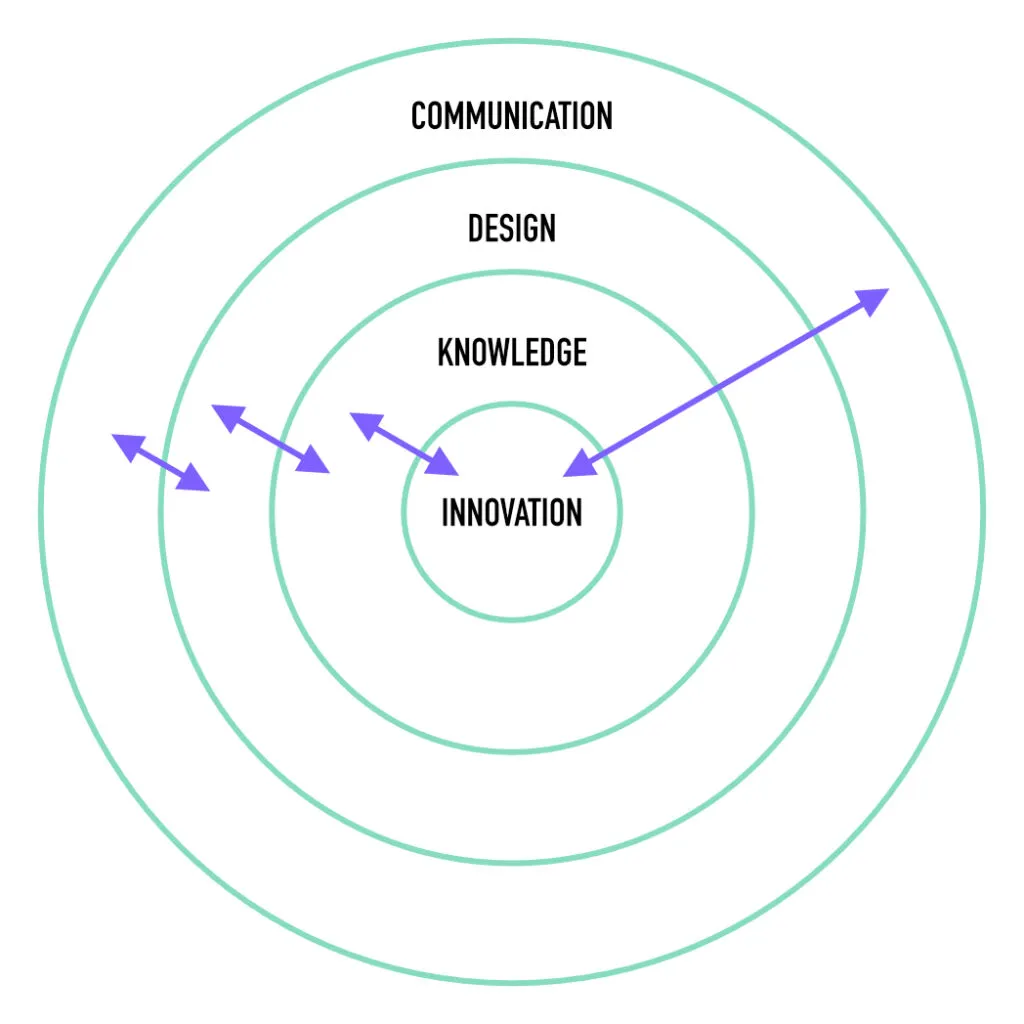
As Victor Papanek, a true legend of socially responsible design, famously stated, “Design is basic to all human activity.” This highlights the pervasive nature of design and its connection to how we interact with the world. Both design and communication share a common goal: to distribute information, create knowledge, and ultimately, drive innovation.
Bridging the Gap: Intention and Interpretation
To truly understand the relationship between design and communication, it’s essential to grasp the concepts of intention and interpretation.
- Intention: This stems from the defined goal and is measured by the degree of execution achieved. It’s the message the sender (designer) aims to convey.
- Interpretation: This is how accurately the receiver (user) understands the message in relation to the original intention. It’s influenced by individual knowledge, skills, emotional state, and cultural background.
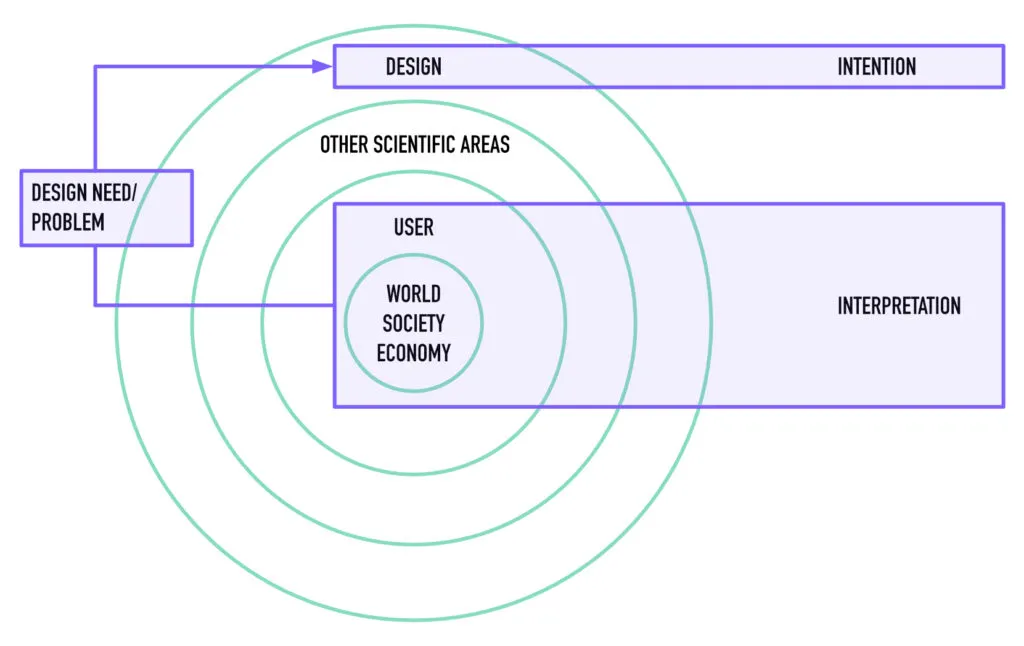
The goal is to minimize the gap between intention and interpretation. Design plays a crucial role in shaping the context and elements of a message to guide the receiver towards the intended understanding.
Decoding the Message: Verbal, Non-Verbal, and Mixed Communication
Communication is broadly divided into verbal and non-verbal forms.
- Verbal Communication: Uses words, whether spoken or written, to convey a message.
- Non-Verbal Communication: Relies on symbols, signs, gestures, and visual cues.
- Mixed Communication: Combines both verbal and non-verbal elements, engaging multiple senses simultaneously.
The design process leverages all these elements to craft a cohesive and impactful message. The choices made – from typography and color palettes to imagery and layout – all contribute to how the message is understood.
Image Suggestion: A collage showcasing examples of verbal communication (text), non-verbal communication (symbols, gestures), and mixed communication (advertisements, presentations).
The Influence of Culture: A Colorful Example
It’s crucial to remember that interpretation is heavily influenced by cultural context. A prime example is the symbolism of colors:
- Western Culture: Red often signifies danger, passion, or action.
- Oriental Culture: Red typically represents joy, happiness, and prosperity.
- Africa: Red can be associated with death in some cultures.
- Iran and Egypt: Red symbolizes luck and courage.
Image Suggestion: A world map highlighting different regions and showcasing how the color red is interpreted in each culture.
Designers must be aware of these cultural nuances to ensure their message resonates with the intended audience and avoids unintended misinterpretations.
Design as a Catalyst for Understanding and Innovation
Ultimately, design is a methodological process that ensures messages are understood and contribute to social evolution through innovation. By understanding the principles of communication and the factors that influence interpretation, designers can create solutions that are not only aesthetically pleasing but also meaningful, impactful, and culturally sensitive.
Image Suggestion: A final image showcasing a diverse group of people interacting with a well-designed product or service, highlighting the positive impact of effective design communication.
Key Takeaways
- Design and communication are deeply intertwined and interactive.
- Understanding the gap between intention and interpretation is crucial.
- Design leverages verbal, non-verbal, and mixed communication elements.
- Cultural context significantly influences interpretation.
- Design, when combined with effective communication, can drive understanding, innovation, and positive social change.
This article provides a foundation for understanding the critical relationship between design and communication. By embracing this interdependence, designers can create more impactful and meaningful work that resonates with audiences and contributes to a better world.