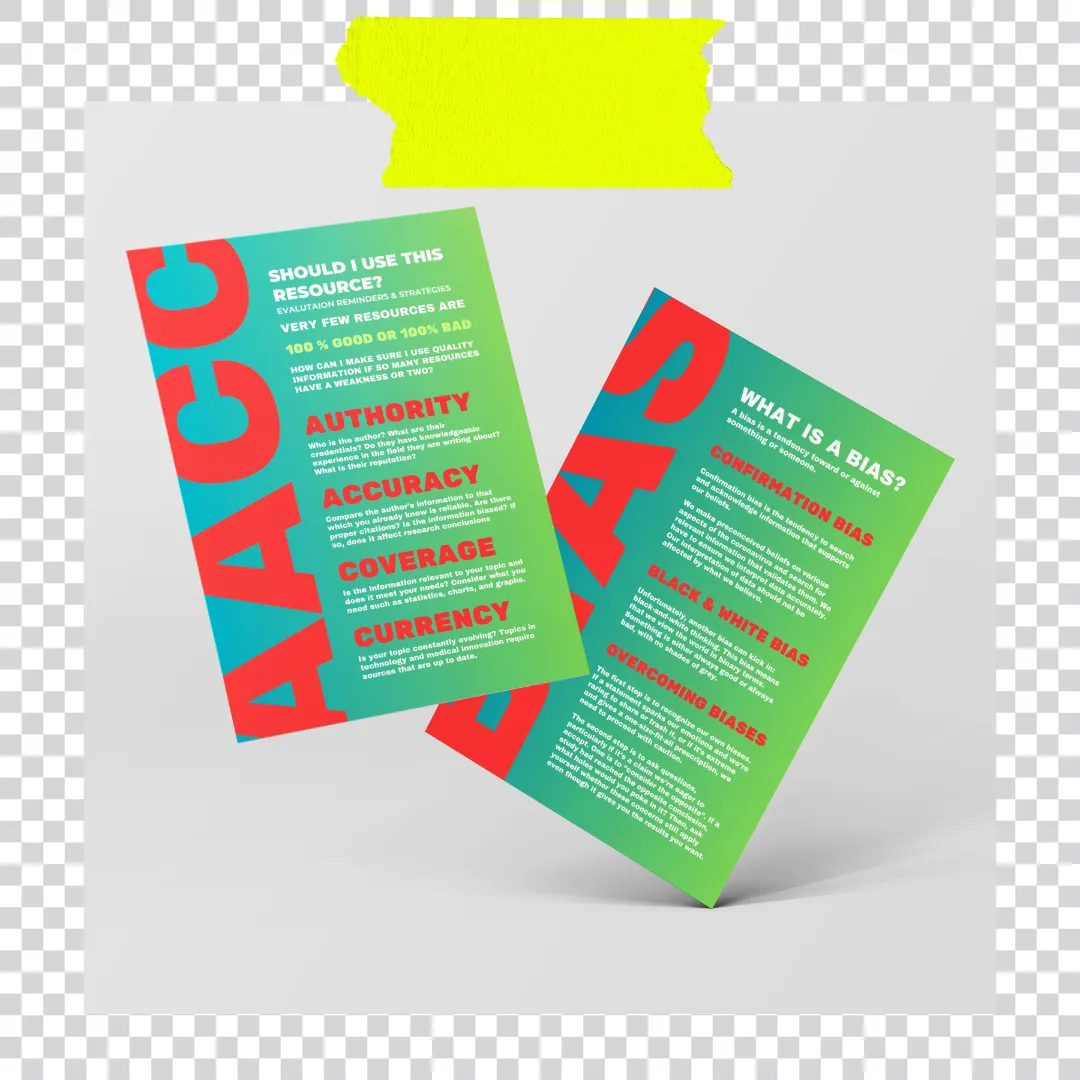
I have a biased view on things!
Unmasking Bias: How to Recognize and Mitigate It in Your Life
- Type
- writing
- Year
- File
- bias_1.jpg
We all like to think we’re rational beings, making decisions based on logic and objective facts. However, the truth is that our brains are wired with biases – unconscious prejudices and predispositions that can significantly influence our thoughts, actions, and judgments. Understanding these biases and actively working to mitigate them is crucial for making fairer, more informed decisions, and fostering a more equitable world.
What are Biases?
Biases are mental shortcuts our brains use to simplify information processing. They stem from our experiences, cultural background, and personal beliefs. While they can be helpful in certain situations, allowing us to make quick decisions, they can also lead to errors in judgment and unfair treatment of others.
Common Types of Biases
There are numerous types of biases, but here are a few common ones to be aware of:
- Confirmation Bias: The tendency to seek out and interpret information that confirms our existing beliefs, while ignoring or downplaying contradictory evidence.
- Anchoring Bias: Over-relying on the first piece of information we receive (the “anchor”) when making decisions, even if that information is irrelevant.
- Availability Heuristic: Overestimating the likelihood of events that are readily available in our memory, often because they are recent or emotionally charged.
- Halo Effect: Allowing our overall impression of a person or thing to influence our feelings and thoughts about their specific characteristics.
- Affinity Bias: Favoring people who are similar to us in terms of background, interests, or experiences.
- Gender Bias: Holding preconceived notions about the abilities or characteristics of men and women.
- Ageism: Prejudice or discrimination against individuals based on their age.
Why is it Important to Avoid Biases?
Biases can have far-reaching consequences, affecting everything from hiring decisions and promotions to investment strategies and legal judgments. They can lead to:
- Unfair Treatment: Biases can result in discrimination and unequal opportunities for individuals or groups.
- Poor Decision-Making: Biased judgments can lead to flawed strategies and missed opportunities.
- Damaged Relationships: Biases can create misunderstandings and conflict in personal and professional relationships.
- Reduced Innovation: A lack of diverse perspectives, due to biases, can stifle creativity and innovation.
Strategies for Mitigating Bias
While it’s impossible to eliminate bias entirely, we can take steps to minimize its impact on our lives:
- Self-Awareness: The first step is to recognize that we all have biases. Reflect on your own beliefs and experiences, and consider how they might be influencing your judgments.
- Seek Diverse Perspectives: Actively seek out opinions and viewpoints that differ from your own. Engage in conversations with people from different backgrounds and experiences.
- Challenge Assumptions: Question your own assumptions and beliefs. Ask yourself why you believe what you do, and whether there is evidence to support your views.
- Use Data and Evidence: Rely on objective data and evidence to inform your decisions, rather than relying on gut feelings or intuition.
- Implement Blind Review Processes: In situations where bias is likely to be a factor, such as hiring or performance evaluations, consider using blind review processes where identifying information is removed.
- Establish Clear Criteria: Define clear and objective criteria for evaluating people or situations. This can help to reduce the influence of subjective biases.
- Slow Down Your Thinking: Avoid making snap judgments. Take the time to carefully consider all the available information before making a decision.
- Be Open to Feedback: Ask for feedback from others on your decisions and actions. Be willing to listen to criticism and learn from your mistakes.
- Promote Inclusive Environments: Create environments where diverse perspectives are valued and respected. Encourage open dialogue and challenge biased behavior.
Conclusion:
Addressing bias is an ongoing process that requires continuous self-reflection and a commitment to fairness and equality. By understanding the different types of biases and implementing strategies to mitigate them, we can make more informed decisions, build stronger relationships, and create a more just and equitable world for everyone. It’s not about perfection, but about progress – striving to be more aware and more inclusive in our thoughts and actions.